Coralreefbleaching.com

Coral Reef Bleaching

  • Home
  • Coral Reefs
  • Conservation
  • Effects
  • Great Barrier
  • Other Links
  • For Sale
  • Contact Us
Jan 28

Coral Reef Bleaching – Death of Marine Species

Posted By admin On Saturday, January 28th 2012   In Latest News  Tags: coral reef, Coral Reef Bleaching, diving, Great Barrier Reef  

Coral reef bleaching – 2012


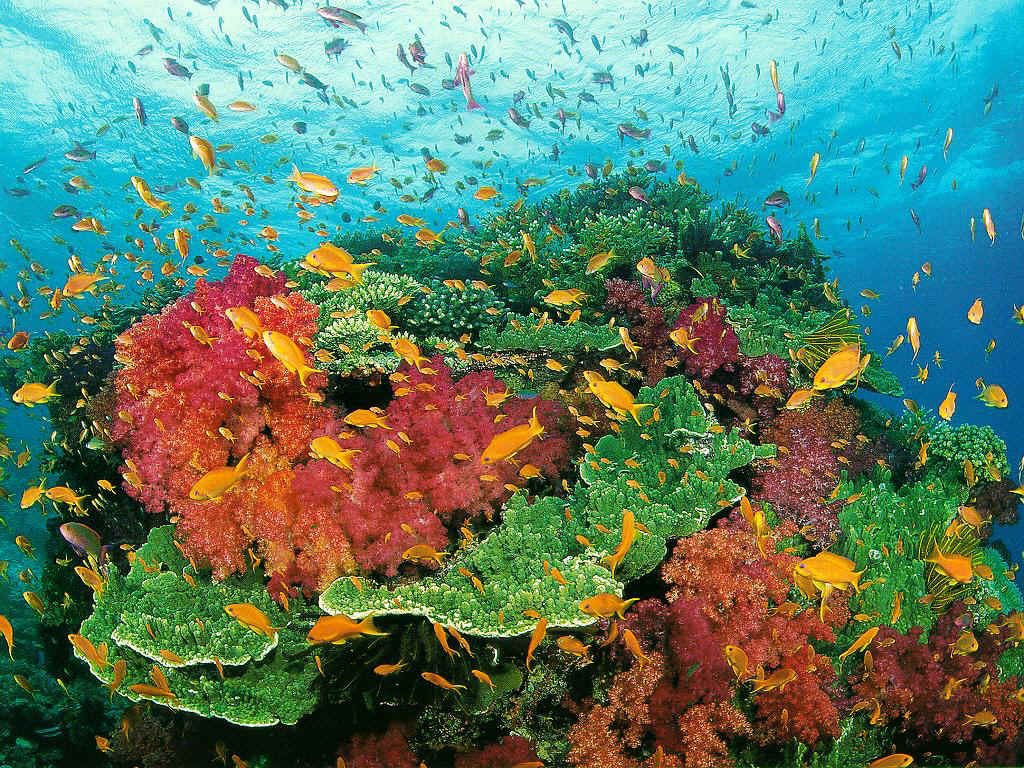
Coral reef bleaching and it’s effects are killing the coral and the most important areas in underwater ecosystem as this is the home of many fishes in the sea. This is also their source of food most of the time. A coral reef is mostly where new eggs can be found. That’s why a small sign of damage to coral reefs is a sign of death to millions of different species of marine life. The biggest coral reef in the world is the Great Barrier Reef found in Coral Sea, off the coast of Queensland in northeast Australia.

The Great Barrier Reef

Global Warming.

The coral reef is one of nature’s valuable gift to us however it’s likely to be banished in the surface of the ocean. Why? Well, it looks like human doesn’t value that gift as it seems that most reasons why our coral reef got “sick” are the human activities. Experts say that 58 percent of the world’s coral reefs were threatened by human activities. And that includes the latest information on the impacts of Global Warming and Coral reef bleaching which is by the way caused by humans. Note that coral reef takes years to recover. This is really a bad news. The two impacts are the main reason of today’s coral reef extinction and it’s reported that it goes bad to worse as years pass.

The Dilemma

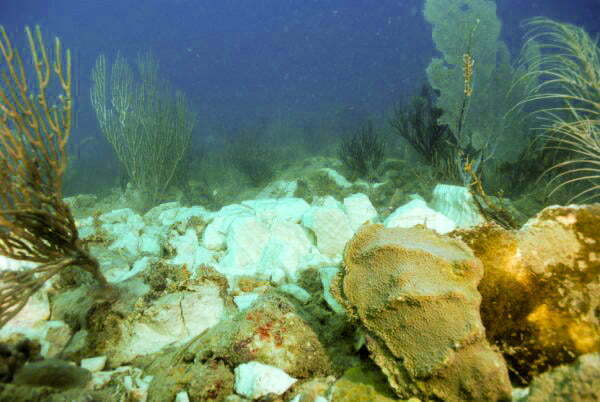
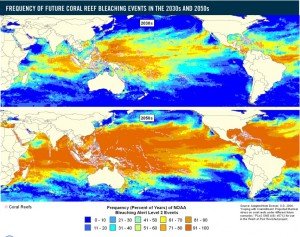
Global warming is obviously caused by people around the globe and the worst effect it could give is the coral reef bleaching. This dilemma happens to coral reef when the surface of the ocean rise its temperature from warm to hot. When that happens, the zooxantheallae or the unicellular algae that gives the coral “life” will die leading to coral reef bleaching or the simple definition would be a “lifeless coral reef”. One example of worst coral reef bleaching in the record happened way back 2005 on the area of Atlantic Ocean and Caribbean Sea. And from the year 2010 up to present year, it is predicted to be even worse.

For that, will the time come that we can only see coral reef on pictures and not in real life?

I hope you enjoyed this small but very important feature.


Comments Off
Aug 24

Coral Reefs Bleaching to Death

Posted By admin On Wednesday, August 24th 2011   In Diving, Latest News  Tags: climate change facts, coral reef, diving  

What is coral bleaching?


Whip Coral Coliny

One of the most visually dramatic effects of climate change on corals, has been bleaching. When the ocean warms, the oxygen content reduces, and corals become ‘bleached’.

The heat affects the tiny algae which live symbiotically inside the corals and supply them with food. The heat stress damages the algae and in consequence leads to coral death.

Global warming could now mean a death sentence for many coral reefs. If the present rate of destruction continues, most of the world’s coral reefs could be killed within our lifetime.

Coral reefs are extremely important for biodiversity, providing home to over 25% of all the marine life. They provide nurseries for many species of commercially important fish, protection of coastal areas from storm, waves, and are a significant attraction for the tourism industry.

Coral reefs around the world have been severely damaged by unusually warm ocean temperatures.

However, coral reefs are very fragile sensitive ecosystems that can only tolerate a narrow temperature range.


Comments Off
Dec 22

Coral Reefs threatend by Climate Change

Posted By admin On Wednesday, December 22nd 2010   In Latest News  Tags: climate change facts, coral reef, diving, greenhouse effect, Thailand  

JAKARTA, Aug. 20 (UPI) — A dramatic rise in the surface temperature of Indonesian waters has devastated local coral populations, research shows.

coral reefMarine biologists with the Wildlife Conservation Society, in an initial survey of the waters in May, found that more than 60 percent of the coral had “bleached,” which occurs when algae living within coral tissues are expelled.

By August, surveys by researchers from Australia’s James Cook University and Indonesia’s Syiah Kuala University showed 80 percent of those bleached corals had since died.

“It’s a disappointing development, particularly in light of the fact that these same corals proved resilient to other disruptions to this ecosystem, including the Indian Ocean Tsunami of 2004,” said Stuart Campbell, marine program director for the Wildlife Conservation Society of Indonesia.

Sea surface temperatures in the Andaman Sea — an area that includes the coasts of Myanmar, Thailand, the Andaman and Nicobar Islands, and north western Indonesia — have been on the rise.

According to the National Oceanic and Atmospheric Administration’s Coral Hotspots Web site, air temperatures in the region peaked at 93 degrees Fahrenheit in late May, representing a 7 degree rise over long-term averages for the area.

The coral bleaching is caused by a combination of warmer water and greater exposure to sunlight that is unfiltered by clouds or wind.

coral-reefsThe August findings represent “a tragedy not only for some of the world’s most biodiverse coral reefs, but also for people in the region, many of whom are extremely impoverished and depend on these reefs for their food and livelihoods,” Caleb McClennen, marine program director for the society, said in a statement.

“It is another unfortunate reminder that international efforts to curb the causes and effects of climate change must be made if these sensitive ecosystems and the vulnerable human communities around the world that depend on them are to adapt and endure,” he said.

Clive Wilkinson, a coordinator at the Global Coral Reef Monitoring Network in Australia, told the Voice of America the bleaching appears to be spreading to Vietnam and Southeast Asia. He warned that it could reach Taiwan and southern Japan very soon.

“We’re sadly quite convinced that this is a climate change event,” Wilkinson said. “What’s happened is that there is far more energy in the atmosphere and in the oceans at the moment because of global warming.”

While coral reefs account for just 1 percent of the world’s ocean surface, they provide a home for 25 percent of all sea life.


Comments Off

Featured Video

Recent Posts

  • Coral Reef Bleaching – Death of Marine Species
  • Reasons Why the Coral Reefs are Dying
  • Coral Reef Bleaching – its Effect to the Environment
  • Coral Reefs Bleaching to Death
  • Coral Reefs threatend by Climate Change

Tags

climate climate change facts coral reef Coral Reef Bleaching diving Global Warming Great Barrier Reef greenhouse effect Thailand

RSS RSS Feeds

  • Will Mold Remediation Professionals Have A Harder Time To Get Paid In...
  • Same Day Payday Loan Introduces New “How it Works” Resource
  • Olson Homes Launches Web Video Lifestyle Series to Reach New...
  • Hertz Furniture Announces Contest Winner
  • Manhattan Home & Apartment Renovation Company, Detail Renovations...

Pages

  • Contact Us
  • Coral Reef Conservation
  • Coral Reefs
  • Effects of Coral Reef Bleaching
  • Great Barrier Reef Coral Bleaching
  • Links
  • Offer
  • Privacy Policy
  • Sitemap

Meta

  • Log in
  • Entries RSS
  • Comments RSS
  • WordPress.org

Ads

Sponser

 
  • ruralgermany.com
  • gibbsfreeenergy.com
  • highwayroadconditions.com
  • ruraljapan.com
  • 91.5 FM Phuket Island Radio
  • listofrivers.com
| Privacy Policy | Sitemap | Theme Designed By Designer PFMR
Copyright © 2012 Coralreefbleaching.com All Rights Reserved.